
Stump Removal in Mays Landing for properties with leftover root systems that attract pests or interfere with landscaping
Clearing Stumps Before They Compromise Your Yard
Atlantic County Handyman provides stump removal services for homeowners and property managers in Mays Landing who need to eliminate tree remnants that create hazards or limit yard usability. When a tree comes down, the stump left behind becomes more than a visual problem. It occupies valuable square footage, sends up new shoots, and creates tripping risks near walkways or play areas. You may notice fungi growing along the edges or carpenter ants burrowing into the decaying wood, both of which can spread to healthy plants or structures nearby.
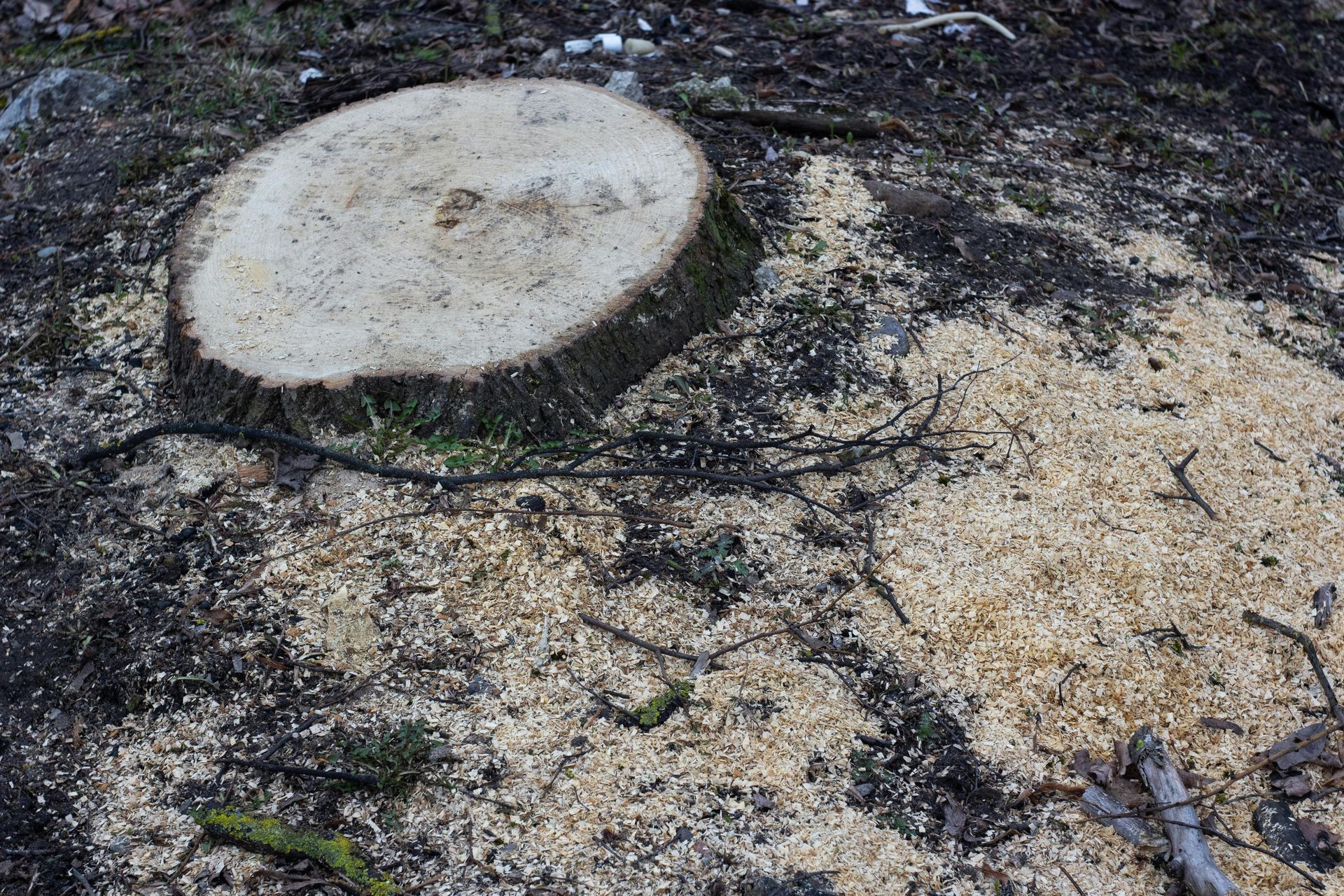
Stump removal involves grinding the remaining trunk and exposed root crown below the soil line, then clearing away the resulting wood chips. The process eliminates the habitat that insects and rodents use for shelter and stops the regrowth cycle that forces you to prune suckers every few weeks. In Mays Landing, clay-heavy soil retains moisture around stumps longer than sandy ground does, which accelerates rot and increases the likelihood of fungal spread to adjacent trees or garden beds.
If you have a stump that interferes with mowing patterns or future landscaping plans, reach out to discuss removal options suited to your property layout.
 Button
 Button
 Button
What Happens During a Stump Grinding Job
The work begins with a site assessment to identify underground utilities, irrigation lines, and any decorative stone or edging within a few feet of the stump. A self-propelled grinder with a rotating cutting wheel removes wood in layers, starting at ground level and working down to a depth of eight to twelve inches below the surface. You will see the machine move back and forth across the stump face, reducing the mass to loose chips that resemble coarse mulch.
After grinding, Atlantic County Handyman rakes the chips into a pile or spreads them as mulch if you prefer to repurpose the material for garden beds. The cavity left behind is backfilled with soil if you plan to plant grass seed or install hardscaping in that spot. The ground settles over the following weeks as the remaining roots decompose, so you may need to add a small amount of topsoil later to level the surface completely.
The process does not remove lateral roots that extend beyond the stump perimeter, so shallow roots may remain under turf areas. These decompose on their own within one to three years depending on tree species. If you need the area cleared for a patio footing or fence post hole, let the crew know beforehand so additional excavation can be scheduled.
Homeowners often ask about timing, equipment access, and what to do with the wood chips once the stump is gone. Here are answers to the questions that come up most frequently during estimates.
Common Questions About Stump Removal in Mays Landing
How deep does the grinder cut into the stump? The cutting wheel typically grinds six to twelve inches below grade, which is enough to allow grass seed or sod to root without obstruction.
What happens to the wood chips produced during grinding? You can use them as mulch around shrubs and flower beds, or the crew can haul them away if you do not have space to store the material.
When is the best time to remove a stump in Mays Landing? Stump grinding can happen year-round, but scheduling during dry weather makes site access easier and reduces the risk of ruts from equipment crossing soft turf.
Why does the ground settle after the stump is removed? As the remaining root ball decays, air pockets collapse and soil compacts, which creates a shallow depression that you fill with additional topsoil before reseeding.
How close to fences or structures can you grind a stump? The grinder can work within twelve to eighteen inches of a fence line or foundation wall, though tight access may require a smaller machine or manual cutting of exposed roots.
Atlantic County Handyman coordinates scheduling based on weather and ground conditions to avoid damage to surrounding lawn areas. Contact the team to arrange an assessment and receive a removal estimate based on stump diameter and site access.